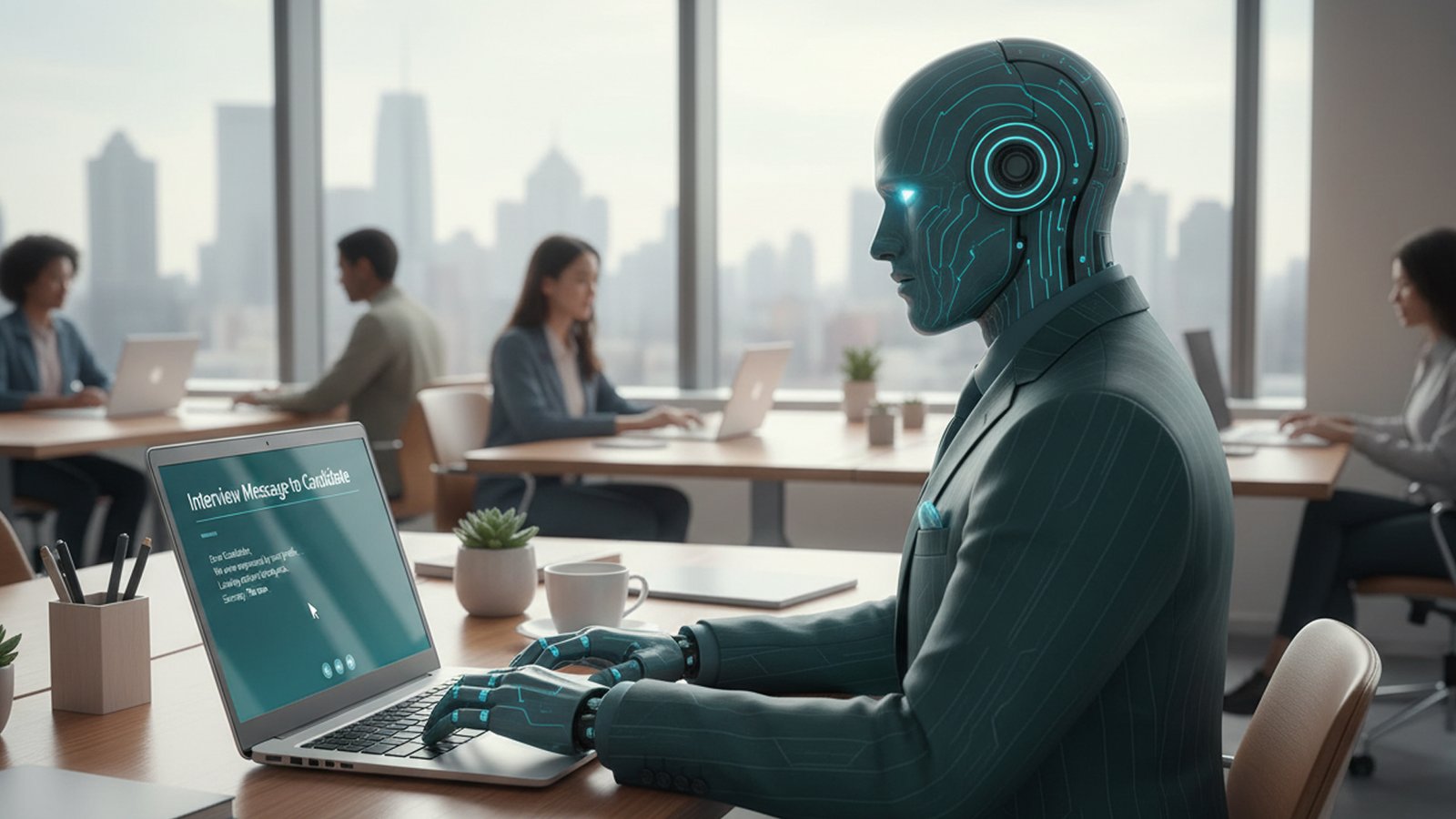
Hiring in Orlando can feel like two jobs at once. One is finding good people. The other is keeping up with the volume, the messages, and the scheduling ping pong that quietly slows everything down.
AI recruiting automation helps Orlando hiring teams screen candidates faster, respond sooner, and book interviews. It also gives recruiters time back for relationship building, hiring manager alignment, and closing.
Why Orlando hiring teams feel the pressure first
Orlando continues to add jobs in sectors where high applicant flow and candidate drop off are common. Leisure and hospitality. Education and health services. These industries often deal with high volume, higher no show risk, and constant schedule changes.
That usually creates three bottlenecks.
- Too many applicants to review manually, which slows first response
- Too much back and forth to schedule, which causes candidate drop off
- Too little time for high value recruiter work like interviews, persuasion, and stakeholder management
AI supported screening and scheduling targets those bottlenecks directly.
AI recruiting automation in Orlando. Screening and scheduling basics
At a practical level, automation improves screening and scheduling by compressing the time between application and conversation. Instead of waiting for a recruiter to manually review and reach out, candidates can be engaged immediately through conversational workflows.
In most teams, that means a career site chat assistant and a voice assistant for phone based outreach and follow up.
A modern flow usually includes.
- Instant job matching and FAQs so candidates self qualify
- Pre screening questions that capture availability, requirements, and deal breakers
- Automated interview scheduling based on availability rules
- Reminders and confirmations that reduce no shows
- Clean handoff of screening data into your ATS or recruiting CRM for tracking
Talent Frequency positions this as branded conversational assistants that support candidate engagement and pass pre screening data into systems teams already use.
How screening gets better with automation
Candidate screening is where time disappears. Automation improves it in three ways.
1) Faster first response and fewer cold applicants
When candidates get a response right away, they are more likely to stay engaged and finish the process. A career site chat assistant can answer job questions, clarify requirements, and guide candidates into the right role.
This reduces unqualified volume and improves applicant quality. It also protects recruiter time by handling common questions like pay expectations, schedule, location, and required certifications.
2) More consistent pre screening that still feels human
Automation enforces a consistent set of screening questions. The best implementations are not rigid scripts. They are decision trees that adapt based on candidate answers.
Voice screening can be especially useful when candidates are less likely to sit at a desktop. Talent Frequency highlights voice based outreach and screening designed to feel natural and scale follow ups.
3) Better data capture for downstream decisions
A major benefit of automated screening is structured data. You are not just collecting notes. You are capturing standardized fields like shift preferences, start date, licensing, pay expectations, and location constraints.
That makes it easier to.
- Route candidates to the correct requisition
- Prioritize top fits quickly
- Report on funnel conversion and drop off points
- Audit the process and reduce risk
When this data is pushed into your ATS or recruiting CRM, it becomes measurable and actionable. :contentReference[oaicite:6]{index=6}
How scheduling gets better with automation
Scheduling is often the hidden killer in Orlando hiring. High volume roles need speed, but calendars create friction.
Automation improves scheduling in four main ways.
1) It removes calendar ping pong
Instead of emailing back and forth, candidates receive time slots or a scheduling link based on rules you set. The system confirms the interview, captures any last details, and notifies the recruiter.
This is especially helpful when hiring managers have limited windows or interviews require specific structures like panels.
2) It reduces no shows with reminders and confirmations
No shows are rarely random. They often come from long delays, unclear instructions, and lack of confirmation. Automated reminders by SMS, email, and voice can confirm attendance and share directions or prep instructions.
If a candidate cannot attend, automation can trigger a reschedule flow instead of losing the candidate completely.
3) It supports after hours candidate engagement
Many hourly and frontline candidates engage outside business hours. Automation allows screening and scheduling steps to happen evenings and weekends, which can be a real advantage in a competitive market.
4) It improves candidate experience without hiding humans
The best approach is blended. Automation handles repetitive steps, then escalates to a recruiter when the candidate is qualified, ready, or has a nuanced question.
Talent Frequency emphasizes not replacing recruiters. The goal is to let recruiters focus on what humans do best
Orlando use cases where automation delivers the biggest lift
AI supported screening and scheduling can support almost any hiring model. In Orlando, it tends to show up fastest in these scenarios.
High volume hiring and seasonal ramps
Hospitality, attractions, retail, and events often need fast ramp ups and consistent screening. Automation helps you contact applicants quickly, qualify them, and book interviews before they accept another offer.
Healthcare and credential sensitive roles
Healthcare hiring needs consistent pre screening around licenses, certifications, shift availability, and location. Structured screening reduces wasted interviews and speeds up shortlists.
Staffing and rapid redeploy
Staffing teams win on speed. Automated screening and scheduling can re engage existing talent pools, confirm availability, and move candidates into the next step faster.
Sales and service roles where speed matters
In competitive pipelines, the team that talks first often wins. Automation helps you be first without burning out recruiters.
A safe and responsible way to deploy AI in hiring
When you automate screening, you are touching a regulated area. The goal is to improve speed and experience while staying aligned with fair hiring expectations.
Practical guardrails
- Keep humans in control. Define what automation can and cannot decide. Use human review for hiring decisions.
- Monitor outcomes. Track funnel performance and watch for unintended impact across roles, locations, and candidate groups.
- Use clear communications. Candidates should understand steps, next actions, and how to reach a human when needed.
Talent Frequency also supports risk reduction through brand aligned scripts, escalation rules, and configurable consent language.

If you want results quickly, focus on sequencing.
Step 1. Pick one workflow to automate first
Start where volume and friction are highest.
- Initial screening for a high volume role
- Scheduling for first round interviews
- Re engagement for applicants who started but did not finish
Step 2. Write screening rules like a playbook
- Must haves and deal breakers
- Knockout questions that are job related
- Routing rules by location, shift, or team
- Escalation paths for exceptions
Step 3. Connect outputs back to your system of record
Even without heavy integrations, you need structured outputs. Push pre screening data into your ATS or recruiting CRM so recruiters can filter, track, and report.
Step 4. Measure outcomes that matter
- Time to first response
- Time from application to booked interview
- Interview show rate
- Qualified to interview conversion
- Drop off rate during scheduling
- Recruiter hours saved per requisition
Step 5. Expand from one role to one department
Once you have a repeatable workflow, scaling is much easier. Reuse the same building blocks and adjust rules and messaging.
Conclusion
For Orlando employers, AI recruiting automation can improve candidate screening and scheduling by speeding up first contact, standardizing pre screening, reducing calendar friction, and increasing interview attendance. It also preserves human escalation for the moments that need a recruiter.
Next step
Want to see a workflow? Request a demo focused on screening, scheduling, confirmations, and show rate improvement.