The modern human resources landscape is undergoing a dramatic transformation. Mid-size companies—those with 100 to 5,000 employees—are increasingly adopting AI-powered HR solutions to streamline operations, improve employee experiences, and drive business growth. But with countless options available, how do you choose the right AI HR solution for your organization?
This comprehensive buyer’s guide will walk you through everything you need to know about AI-powered HR solutions, helping you make an informed decision that aligns with your company’s goals and budget.
Why AI-Powered HR Solutions Matter for Mid-Size Companies
Mid-size companies occupy a unique position in the business landscape. You’re too large to rely solely on manual HR processes, yet you may lack the extensive resources of enterprise organizations. This is where AI-powered HR solutions become game-changing.
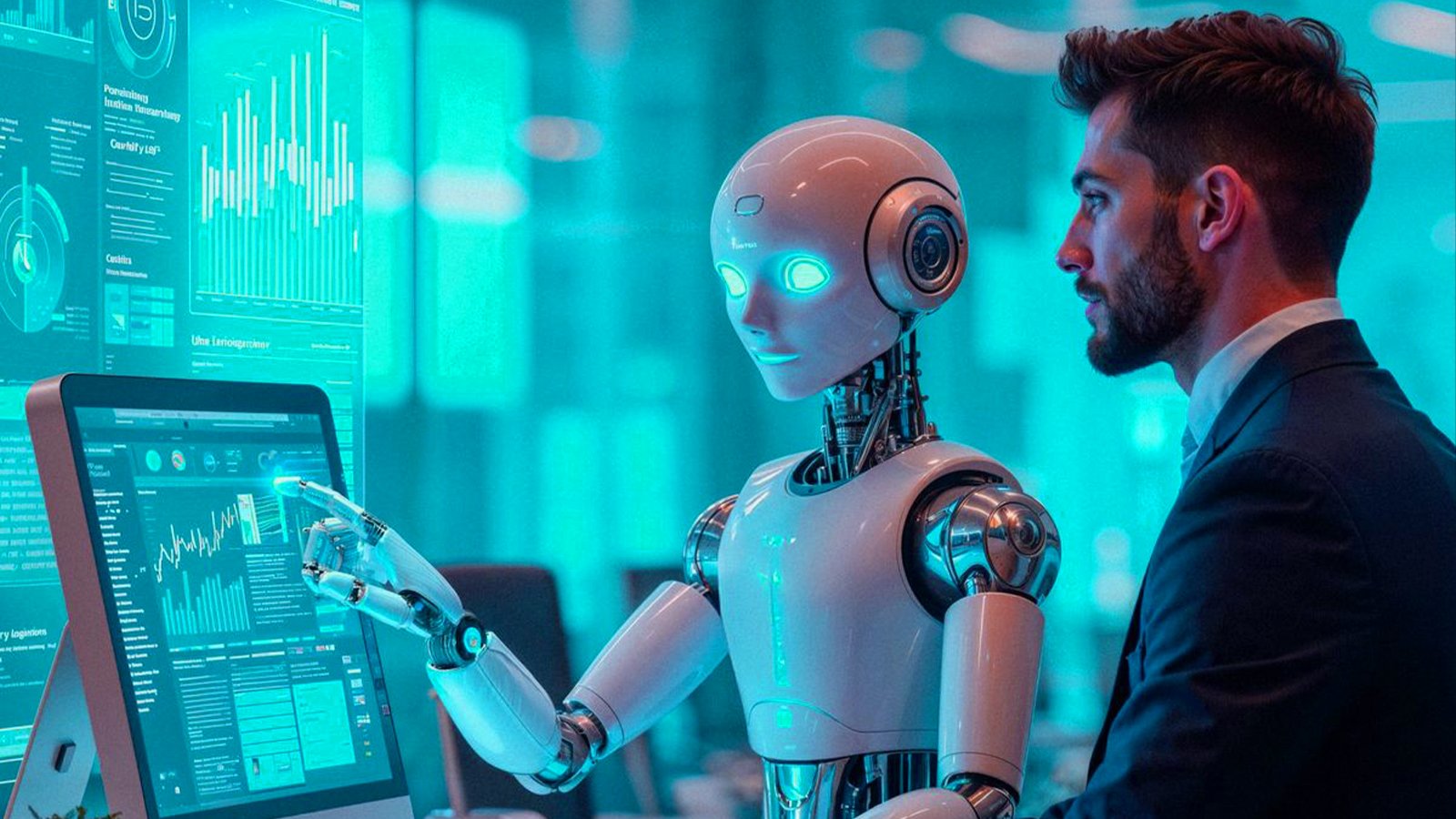
Key Benefits of AI in HR
- Enhanced Recruitment: AI algorithms identify top talent faster and more accurately than traditional screening methods
- Improved Employee Retention: Predictive analytics help identify flight risks and suggest retention strategies
- Reduced Administrative Burden: Automation handles routine tasks, freeing your HR team to focus on strategic initiatives
- Data-Driven Decision Making: Comprehensive analytics provide actionable insights for workforce planning
- Cost Savings: Reduced time-to-hire and improved productivity lead to significant ROI
Essential Features in AI-Powered HR Solutions
Not all AI HR solutions are created equal. When evaluating options, ensure the platform includes these critical features:
1. Intelligent Recruitment & Applicant Tracking
Look for AI-powered resume screening, candidate matching, and bias reduction features. The system should automatically identify the most qualified candidates and predict job fit probability.
2. Employee Analytics & Predictive Insights
Comprehensive dashboards that track employee performance, engagement levels, and turnover risks. Predictive models should alert you to potential issues before they become problems.
3. Learning & Development Personalization
AI should recommend personalized learning paths based on individual career goals, skill gaps, and role requirements. This drives employee growth and satisfaction.
4. Compensation & Benefits Optimization
Tools that analyze market data, predict salary competitiveness, and ensure equitable pay practices across your organization.
5. Engagement & Sentiment Analysis
Natural language processing capabilities that analyze survey responses, emails, and feedback to gauge employee sentiment and identify satisfaction drivers.
6. Workflow Automation
Automation of routine HR tasks such as onboarding, offboarding, leave requests, and performance reviews saves time and reduces errors.
How to Evaluate AI-Powered HR Solution Vendors
Choosing the right vendor is just as important as choosing the right solution. Here are key factors to consider:
Technology & AI Capabilities
- Ask about the depth of AI integration across the platform
- Request demo access to evaluate AI accuracy and relevance
- Verify how the system handles bias and fairness in decision-making
Integration & Compatibility
- Ensure seamless integration with your existing payroll, accounting, and productivity tools
- Check for API availability and data migration capabilities
Security & Compliance
- Verify GDPR, CCPA, and industry-specific compliance certifications
- Review data encryption standards and security audit reports
- Confirm employee data privacy protections and access controls
Implementation & Support
- Evaluate implementation timelines and required resources
- Assess the quality of training programs for your HR team
- Review customer support availability and response times
Cost & Pricing Model
- Understand whether pricing is per-employee, module-based, or tiered
- Calculate total cost of ownership including implementation and training
- Compare ROI projections and typical payback periods for similar companies
Implementation Best Practices
A successful AI-powered HR solution deployment requires careful planning and execution. Follow these best practices:
Start with Clear Objectives
Define specific, measurable goals for implementation. Are you primarily focused on reducing time-to-hire? Improving retention? Streamlining compliance? Clear objectives guide solution selection and success metrics.
Plan for Data Migration
Audit your existing data, clean inconsistencies, and develop a migration strategy. Quality data input ensures quality AI outputs.
Train Your HR Team
Invest in comprehensive training programs. Your HR team needs to understand both the technical aspects and the human side of using AI tools effectively.
Communicate with Employees
Be transparent about AI implementation. Employees should understand how AI affects recruitment, performance evaluation, and other processes, and how it protects their privacy.
Monitor & Optimize
Track KPIs and ROI continuously. Use feedback loops to refine processes and maximize the value of your AI-powered HR solution.
Common Pitfalls to Avoid
- Over-automating: Don’t automate everything. Some HR functions require human judgment and empathy.
- Ignoring bias: Ensure the AI system is regularly audited for bias in hiring, promotion, and other decisions.
- Inadequate change management: Failing to prepare employees and HR teams for the transition leads to adoption challenges.
- Neglecting data security: Don’t compromise on security and compliance measures.
- Choosing based on price alone: The cheapest solution isn’t always the best. Consider overall value and long-term benefits.
What to Expect: ROI & Results
When properly implemented, AI-powered HR solutions deliver measurable returns:
- Recruitment: Reduce time-to-hire by 30-50% and improve quality of hire
- Retention: Identify and retain high-value employees, reducing turnover costs by 20-25%
- Efficiency: Automate 40-60% of routine HR tasks, allowing your team to focus on strategy
- Compliance: Reduce compliance violations and legal risks through better documentation and process adherence
- Employee Satisfaction: Improve engagement scores and employer brand through better experiences
The Future of AI in HR
The HR technology landscape continues to evolve rapidly. Keep an eye on these emerging trends:
- Advanced Generative AI: Expect more sophisticated natural language processing for better candidate interactions and employee support
- Workforce Agility: AI will enable more dynamic workforce planning and skill-based talent matching
- Enhanced Employee Experience: Conversational AI and personalized HR platforms will improve employee satisfaction
- Ethical AI: Increased focus on transparent, fair, and explainable AI in HR decision-making
Conclusion: Ready to Transform Your HR Function?
AI-powered HR solutions offer mid-size companies a unique opportunity to compete with larger enterprises while maintaining the personal touch that defines successful organizations. By carefully evaluating solutions against your specific needs, prioritizing security and compliance, and committing to a structured implementation process, you can unlock significant competitive advantages.
The question isn’t whether to adopt AI-powered HR solutions—it’s when. Organizations that embrace these tools today will find themselves better positioned for talent competition, operational efficiency, and sustainable growth tomorrow.
Get Expert Guidance on Your AI HR Journey
Not sure where to start? Our team of HR technology experts is ready to help you evaluate solutions, plan your implementation, and maximize your ROI.
Schedule your free AI HR consultation today: